
Why I Trust the Tangem Card: A Real-World Take on NFC Hardware Wallets
Whoa! The first time I tapped a Tangem card to my phone, it felt like science fiction made tactile. I remember thinking: a credit-card form factor that holds crypto private keys without batteries or screens — weirdly elegant. My instinct said this would be fragile, but my gut and months of hands-on testing told a different story. Initially I thought it was just another novelty, but then the security model and UX started to click in ways I didn’t expect.
Okay, so check this out—Tangem’s approach is simple and stubbornly practical. It uses secure element chips embedded in a plastic card, and communication happens over NFC so your phone does the heavy lifting. No seed phrase on paper by default. Hmm… that part freaks out traditionalists. On one hand, not writing down a 24-word seed looks risky, though actually the card’s design intends to make recovery a separate, intentional process.
Here’s the thing. For many people, the main barrier to hardware wallets is friction. They lose tiny USB devices, forget PINs, or never make backups. Tangem sidesteps much of that pain by making the wallet feel like a slotted piece of daily carry — a card in a wallet or a phone sleeve. My honest reaction was: this could be the user-friendly gateway for regular folks who otherwise never touch crypto security. Yet there are trade-offs; convenience is paired with different threat models, and you should understand both.
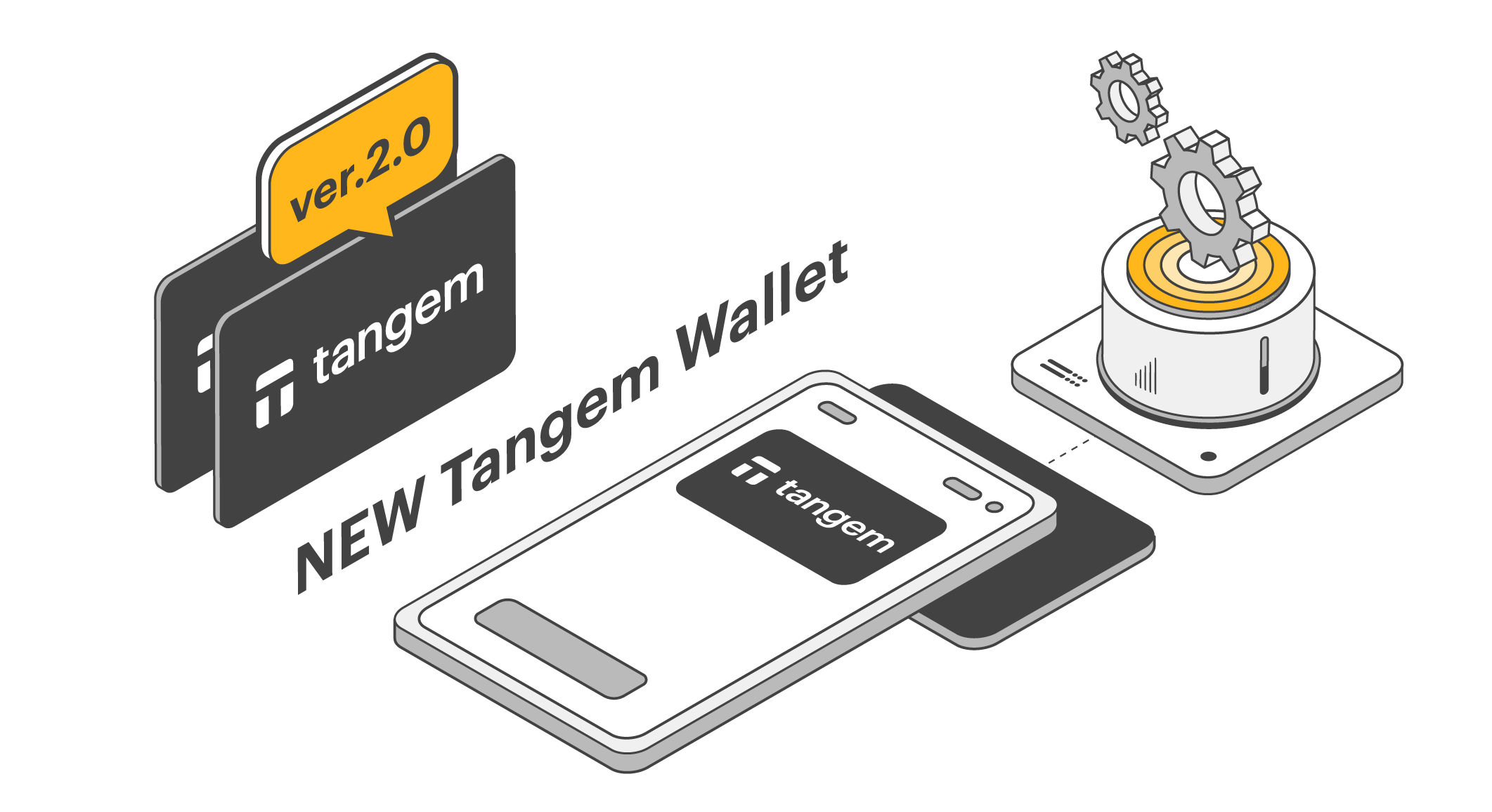
How the Tangem Card Actually Works (Quick and Dirty)
Really? You want the short version. The chip generates the key inside the card and never exposes it externally, so transactions are signed on-device and only signed blobs leave via NFC. There are fewer moving parts than a seeded hardware wallet, which reduces attack surface but also changes how you handle loss and backup. If you want to read up on vendor specs or official setup steps, check the documentation here—it’s practical and straightforward.
My hands-on notes: setup took under five minutes for the first card, and pairing with the phone was mostly frictionless. I did trip up on one detail though — different wallets present slightly different UI for signing, and I had to re-learn prompts for each app. Small annoyance, very fixable. Also, somethin’ to watch: NFC range is tiny, so you must physically touch or bring the card close to the phone; that feels more secure in public than waving a Bluetooth device around.
Security nitty-gritty, but plain language: Tangem relies on a secure element that resists physical extraction and on tamper-evident design. On-device signing avoids exposing private keys. On the other hand, there’s no mnemonic to scribble down in case you lose all your cards, unless you opt into Tangem’s backup system or use multisig. So you should treat the card like cash — if it’s gone, it’s gone unless you prepared.
I’m biased toward practical security. I think multisig with one Tangem card as a signer is a sweet spot for many users: convenience plus redundancy. However, not every user will build multisig vaults. That part bugs me. You can’t assume everyone will do the “right” redundancy thing, and companies that simplify UX also shoulder responsibility for guiding users through safe backup strategies.
On supply chain and authenticity: verify the card packaging and registration process. Tangem cards can be verified with manufacturer signatures, but scammers exist. My instinct said double-check when buying from resellers. In practice, buying directly from a vetted source or authorized distributor mitigates most of that risk.
How does it compare to a screened hardware wallet? Trade-offs, again. Screened devices give you a local way to confirm transaction details visually, which is great for mitigation of malicious phone software. Tangem leans on the phone UI for display, and that leaves a rely-on-your-phone element. But, to be fair, the signed transaction still requires NFC confirmation — you’re not blindly trusting the phone.
Let me walk through a typical user flow I tested: buy card, install wallet app, tap to pair, set a PIN, receive funds, sign transactions. It felt like using a contactless transit card. For someone in the US who uses Apple Pay or transit cards daily, the muscle memory is similar. There were moments where I thought “This is almost too easy,” and then I’d pause because I’m a cautious sorta person. But ease is powerful; adoption hinges on it.
Failure modes and what to watch for: a damaged card can be dead forever. Liquids, extreme bending, or deliberate tampering might render the chip unreadable. That said, the cards survived pocket-life and my messy tests surprisingly well. Also, very very important — if you keep only one Tangem and no backup, you accept custodial-like loss risk. I keep at least one cold-key backup in a different location; you should too.
For advanced users, Tangem cards can fit into a broader custody strategy. Use them as one signer in a multisig. Use multiple cards for split custody. Combine with time-locked contracts for savings. On the consumer side, think of them as a low-friction cold storage upgrade over exchange wallets — not a silver bullet but a pragmatic layer.
FAQ
Can I restore my funds if I lose the Tangem card?
Short answer: sometimes. If you set up a recovery option (like an additional Tangem or a multisig scheme) then yes. If you relied on a single card with no backup, recovery is unlikely. I’m not 100% sure about every third-party recovery service; treat that as a last resort.
Are Tangem cards safe against physical attacks?
Tangem uses secure elements designed to withstand extraction attempts and will often wipe or render the key useless if tampering is detected. No device is invulnerable, but Tangem’s design raises the bar significantly for casual attackers.
Which wallets support Tangem?
Multiple mobile wallets support Tangem via NFC. Support improves all the time. Check the official resources and the vendor docs (linked above) for current compatibility. Oh, and by the way, app UI varies — so expect slight differences in prompts and flows.